Choosing a grooming tool for the pubic area is less about finding one “perfect” option and more about understanding what each tool is designed to do. A trimmer is usually better for controlling longer hair length, while a shaver or razor is designed for a closer finish. Groomers often sit between these two roles, offering more flexibility for different areas and preferences. The right choice depends on whether you prioritize length management, a closer result, easier handling, or simple maintenance.
Before choosing a tool, consider three factors: the area you want to manage, the finish you prefer, and how much control you need during grooming. Understanding these differences can help you select a tool that matches your routine instead of relying on a one-size-fits-all approach.
Understanding the Different Roles of Grooming Tools
Different grooming tools are built around different tasks. The main difference is not only the cutting mechanism but also the level of control they provide.
A trimmer is mainly designed to shorten hair while keeping some length. It can be useful when the goal is regular maintenance rather than a close finish. Many people prefer trimmers for managing longer hair first because they help reduce bulk before using another grooming method.
A groomer is usually a more versatile option that combines multiple grooming functions. Depending on the design, it may support trimming different areas and handling different hair lengths. Groomers can be practical for people who want one device for several personal care tasks.
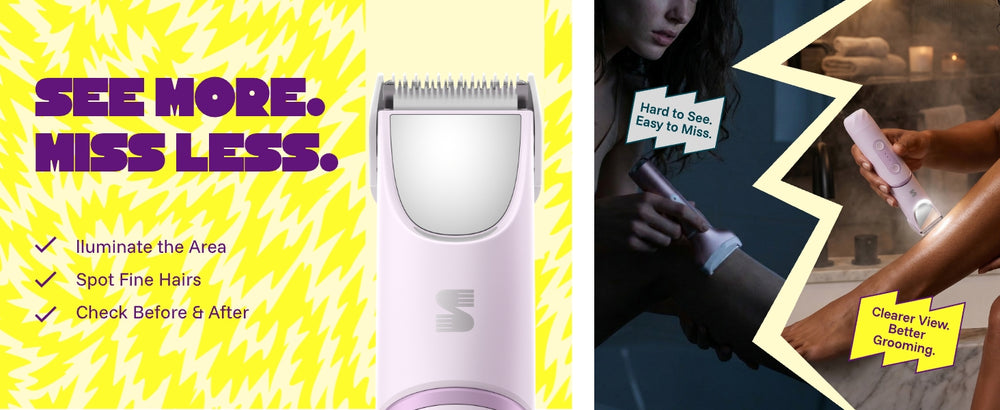
A shaver focuses more on creating a closer finish. A women's electric shaver for pubic area grooming is typically considered when someone wants to manage external pubic area hair with more control than a traditional razor may provide.
A razor provides a close shave through direct blade contact. While razors can create a smooth finish, they require careful handling and consistent technique because the result depends greatly on the user's approach.
The best tool depends on the job you want it to perform.
Quick Comparison of Grooming Tools
| Tool Type | Main Purpose | Best For | Main Consideration |
|---|---|---|---|
| Trimmer | Reducing hair length | Managing longer hair and maintaining a chosen length | Usually does not create the closest finish |
| Groomer | Flexible grooming tasks | People who want multiple functions in one device | Performance depends on the specific design |
| Electric Shaver | Closer finishing | Those who prefer a shorter, neater result | Requires regular cleaning and maintenance |
| Razor | Direct close shaving | Users comfortable with manual control | Technique plays a major role |
This comparison shows why there is no universal winner. A person who prefers controlled length may value a trimmer more, while someone focused on a closer finish may prefer a shaver.
When a Women's Electric Shaver May Fit Your Routine
A women's electric shaver for pubic area grooming may be suitable for people who want a dedicated tool for managing external areas while focusing on control and convenience.
For those who regularly maintain longer hair before achieving a shorter finish, understanding the difference between trimming and shaving is important. A tool designed specifically around shaving can provide a different experience compared with a basic trimmer because the purpose is not only reducing length but also refining the final appearance.
When comparing options, consider factors such as:
-
Control during use: A tool that feels easy to handle can make it simpler to move around smaller or curved areas.
-
Preferred finish: Some users want to keep some length, while others prefer a closer result.
-
Routine frequency: A regularly used tool may need easier cleaning and maintenance features.
-
Personal preference: Different users may prefer different levels of closeness and flexibility.
For readers exploring a dedicated option, a product category such as a women's electric shaver for pubic area can be compared with other grooming tools based on these practical factors rather than assuming one solution works for everyone.
Choosing the Right Tool for Different Grooming Situations
The best choice often depends on the specific situation and desired outcome.
For Managing Longer Hair
When hair is longer, starting with a trimming-focused tool can make the process easier to control. A trimmer allows gradual length reduction and can help create a more manageable starting point.
People who prefer a natural length or regular maintenance routine may find trimming to be the main step rather than using a closer finishing tool.
For a Closer Finish
If the goal is a shorter finish, a shaver or razor may be more appropriate. Electric shavers are often chosen by people who want a powered option instead of manually controlling a blade.
However, the final result can depend on the device design, technique, and individual preference. A closer finish does not automatically mean a better choice for every routine.
For Multiple Grooming Needs
Some people need a single tool that can handle several grooming tasks. In this case, a multi-purpose groomer may provide more flexibility.
The tradeoff is that combination tools may require understanding different attachments, settings, or maintenance steps. A specialized tool may be simpler when one specific task is the priority.
Maintenance and Cleaning Considerations
Regardless of the tool type, maintenance affects long-term usability. Grooming devices work best when they are cleaned according to the manufacturer's instructions and stored properly.
Electric tools often require attention to:
-
Removing collected hair after use
-
Keeping cutting components clean
-
Allowing washable parts to dry completely when applicable
-
Checking attachments and accessories regularly
A tool that is easy to maintain is more likely to become part of a consistent routine. Complicated cleaning requirements may make some users less likely to use a device regularly.
Razors also require their own maintenance considerations, including replacing blades when needed and keeping the tool clean between uses.
How to Decide Which Tool Fits You
Before choosing a grooming tool, ask yourself a few practical questions:
-
Do you mainly want to shorten hair or create a closer finish?
Choose based on your main goal rather than the appearance of the tool itself. -
Do you prefer one dedicated function or multiple uses?
A specialized device may work well for a focused routine, while a groomer may suit people who want flexibility. -
How much control do you want during grooming?
Handling, shape, and ease of movement can influence which tool feels most suitable. -
How much maintenance are you comfortable with?
Consider cleaning steps and how often you plan to use the device.
A simple decision framework is:
-
Choose a trimmer when length control is the priority.
-
Choose a groomer when flexibility matters most.
-
Choose an electric shaver when a closer finishing tool matches your routine.
-
Choose a razor when you prefer manual shaving and are comfortable with that approach.
Final Thoughts
The right grooming tool depends on your personal routine, preferred finish, and how much control you want during use. Trimmers, groomers, shavers, and razors each serve different purposes, so comparing them by function is more useful than searching for a universal best option.
Start by identifying your main goal: managing length, achieving a closer finish, simplifying your routine, or having a flexible tool for different needs. Once you understand the role of each option, choosing the right grooming approach becomes much more straightforward.